Should You Lay New Sod in Tampa During the Winter?
Warm-season grass slows down as Tampa cools off. What dormancy looks like, when winter sod makes sense, and how to care for a lawn through the dry months.
You can lay sod in Tampa during the winter, but the grass will root more slowly because warm-season turf slows its growth in cooler weather, so it needs careful watering and patience. For many homeowners, winter sod makes sense when it is tied to a finished project or a lawn that is already dead, while a lawn that is simply resting for the season usually just needs lighter care until spring.
The key is knowing the difference between a lawn that is dormant and one that is failing.
What happens to Tampa lawns in winter
Most lawns in the Tampa Bay area are warm-season grasses such as St. Augustine, Bahia and Zoysia. These grow vigorously in heat and slow down as temperatures drop and days shorten. During a cold snap, they may lose color and look dull or tan, especially Bahia. This is a normal response, not necessarily a sign of disease.
A dormant lawn is resting. When warm weather returns in spring, healthy dormant grass greens up again. Fertilizing heavily or watering more to force green growth in winter usually does more harm than good.
Signs it is more than dormancy
Some problems look similar. Grass that pulls up easily with no roots, patches spreading in rings or irregular shapes, areas that stayed brown through the warm months, thinning in shade, and turf killed by long periods of standing water all point to issues that dormancy does not explain. Chinch bugs, fungus, drainage problems and heavy shade are common causes.
If the lawn was struggling during the summer, winter will not fix it. It is worth finding the cause before replacing turf, or the new sod may fail the same way.
When winter sod makes sense
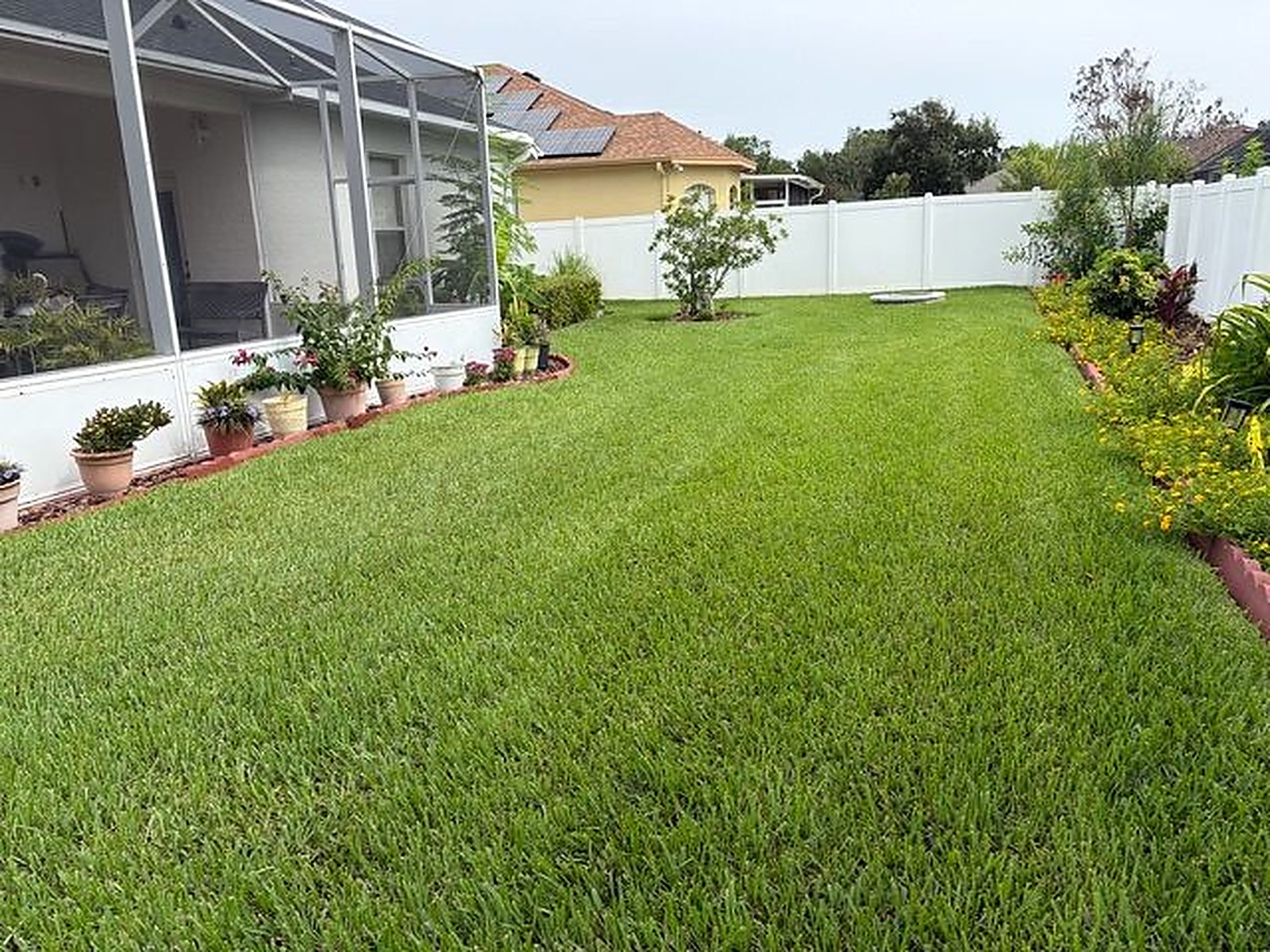
Winter sod is often the right call when a lawn is truly dead, when a drainage or hardscape project has left bare soil that needs cover, when a home is being prepared for sale, or when bare areas are eroding. In those cases, getting sod down now protects the soil and gives the grass a head start when spring arrives.
The main tradeoffs are slower rooting and closer attention to watering. Sod laid in cooler weather sits longer before knitting into the soil, so it should not be walked on heavily or mowed too early.
Choosing the right grass
Grass choice depends on sun, shade, foot traffic, irrigation, and how the lawn looks next to the house. St. Augustine is common in Tampa neighborhoods for its dense, soft appearance. Bahia tolerates drier conditions and is often used on larger lots. Zoysia offers a fine, dense look. The right choice for your yard depends on its conditions, and we discuss options during the estimate.
Soil preparation still matters
Good sod starts with good ground. That means removing the old turf and weeds, correcting low spots and grade, loosening compacted soil where needed, and making sure water drains away from the house. Laying fresh sod over a low area that holds water just grows a new problem. If you saw puddles this summer, our yard drainage page covers how to address them first.
Watering new sod in the dry season
New sod needs consistent moisture until it roots, then gradually less. In winter, evaporation is slower, so the schedule is different from summer. Overwatering in cool weather can encourage fungus. How often and how long to water depends on soil, sun, weather and local watering rules, and we explain the schedule when we install.
Irrigation coverage is important. Dry corners or overspray onto hardscape can leave parts of the new lawn struggling. Our irrigation and drainage services include system checks and adjustments.
Caring for an established lawn in winter
For an existing lawn resting through winter: raise the mowing height and mow less often, reduce irrigation to match the cooler weather and local rules, avoid heavy fertilizing while the grass is not growing, and keep leaves and debris off the turf. Watch for pests and disease, and plan any renovation for the right time.
What drives the cost of sod
Sod cost depends on the area, grass type, how much old turf needs removing, soil and grade preparation, irrigation changes, and access. A small patch and a full-yard replacement are very different jobs. The best way to get a real number is a free written estimate based on your lawn.
Preparing the lawn for spring
Winter is a good time to plan ahead. Walk the lawn and note bare spots, areas where water stood during the summer, spots that stay shaded most of the day, and places where irrigation coverage is poor. Those notes help decide whether spring calls for patch repairs, a drainage fix, a change of grass type in shaded areas, or replacing sections with planting beds instead of turf.
Some homeowners in the Tampa Bay area also use winter to rethink how much lawn they really want. Converting a hard-to-grow corner into a planted bed or a paver sitting area can reduce mowing and watering. We can talk through those tradeoffs during a free estimate so your spring plan fits the way you actually use the yard.
Get advice on your lawn
We install sod and lawns across the Tampa Bay area, including Tampa, Brandon, Riverview, Sun City Center, Ruskin, Land O' Lakes and Seminole. See our sod and lawn installation services, check our service areas, or request a free estimate and we will tell you honestly whether your lawn needs replacing or just a quiet winter.
Keep reading
Is Fall the Right Time to Add an Outdoor Kitchen or Fire Pit in Tampa?
Cooler evenings make fall the season Tampa backyards get used most. What to plan for an outdoor kitchen or fire pit, what to decide early, and costs.
READWhy Should You Fix Yard Drainage in the Fall, Before the Next Rainy Season?
Summer storms showed you where water pools. Why fall is the time to fix Tampa yard drainage, what the options are, and how a drainage plan comes together.
READWhy Is the Dry Season the Best Time to Build a Retaining Wall in Tampa?
Retaining walls rely on a compacted base and drainage behind the block. Why Tampa's dry months give the best build conditions and what to plan first.
READGot a project on your list?
Paver patios, driveways, pool decks, retaining walls, sod and landscape design across the Tampa Bay area — free written estimates.