
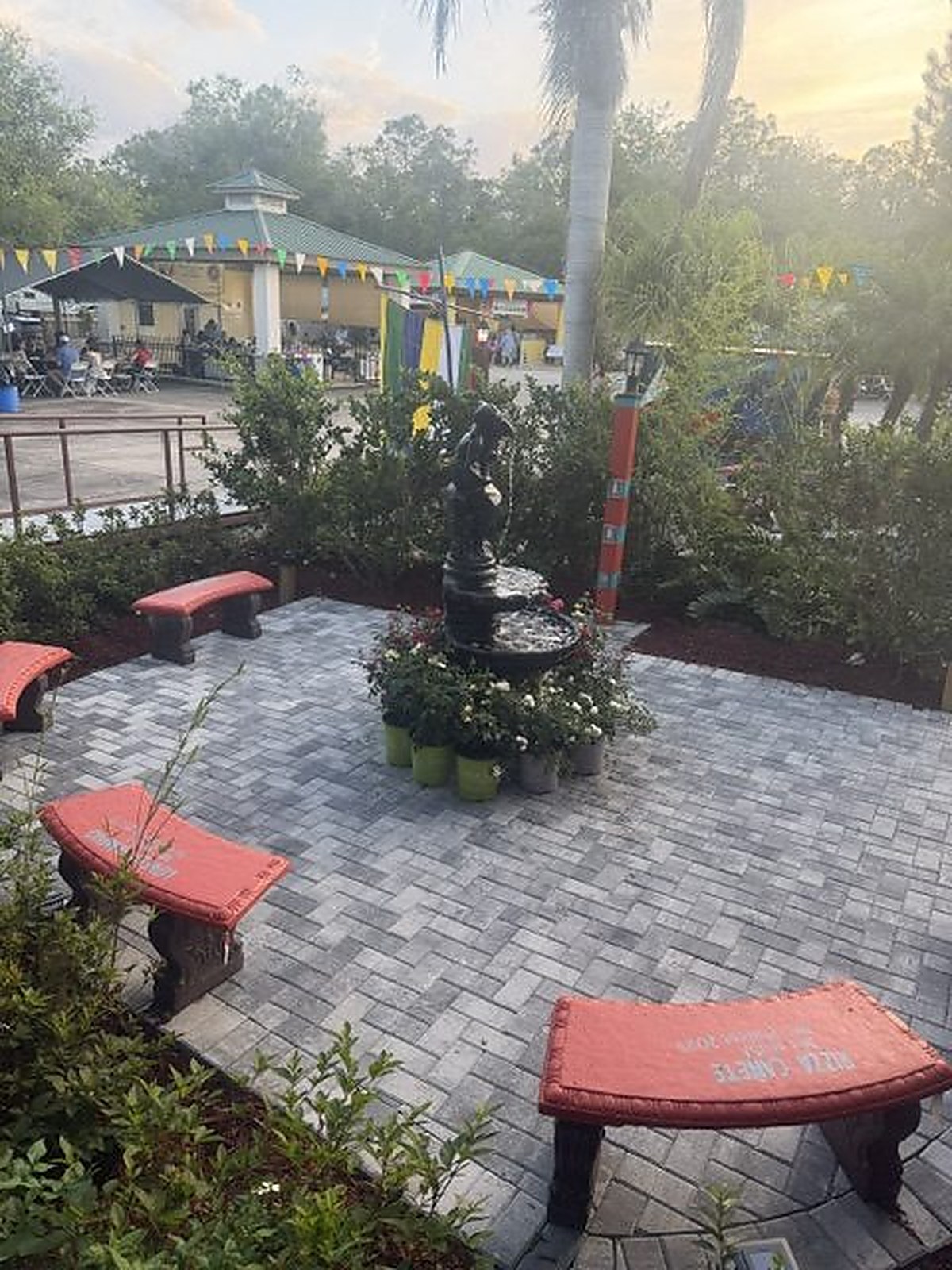
How Long Does a Paver Patio Take to Build?
Excavation, base, screed, laying, cutting and joint sand. What each stage involves and what actually causes delays.
A paver patio changes quickly once the visible pavers start going down, but that is not where most of the work happens. The real schedule is shaped by layout, excavation, base preparation and site conditions. Understanding the sequence makes it easier to see why two patios of similar size can move at different speeds.
Layout and marking
The first step is transferring the agreed plan to the yard. Corners, curves, doors, steps and transitions are marked so the finished elevation works with the house and surrounding grade. This is also when access paths and material staging are confirmed. A careful layout prevents narrow cuts at an edge and catches conflicts before the ground is opened.
Excavation depth is site-specific
The crew removes soil, turf and any unsuitable material to make room for the entire pavement system. Depth varies because the existing soil, expected use and finished elevation vary. Loose fill or disturbed soil may need more correction than firm, stable ground. A patio also has different loading demands from driveway pavers, where vehicles place much greater stress on the base.
Buried irrigation, roots, old concrete and utility lines can change the excavation plan. Marked utilities are respected, but private lines and abandoned construction material do not always appear until digging begins. That is one of the genuine uncertainties in this stage.
The base takes the longest for a reason
Base material is placed and compacted in lifts rather than dumped at full depth and pressed once from the top. Each lift has to be at a workable moisture level and compacted evenly. The crew checks grade repeatedly because the base establishes both the final surface and the direction water will move.
This is the longest stage on many projects, and it is the one nobody sees after completion. Once pavers cover it, a rushed base and a properly prepared base can look identical for a while. The difference appears later as low spots, moving edges or uneven joints. Time spent on the base is not inactivity; it is the work that protects everything visible above it.
Screed, pattern and cutting
A thin screed layer creates a smooth setting bed over the compacted base. It is carefully leveled and should not be used to correct deep variations below. Pavers are then placed in the selected pattern while lines and joint spacing are watched across the field.
Full units cover the open areas quickly. Edges, curves, columns and drains require measured cuts, so progress can look slower as the crew reaches detailed parts of the layout. Pattern choice also affects cutting: borders and changes in direction require more fitting than a simple uninterrupted field.
Edge restraint, joint sand and final compaction
Edge restraint keeps the outside units from spreading under use. After it is secured, joint sand is swept into the gaps and the surface is compacted so the pavers settle together as an interlocking system. The surface is checked, topped up where needed and cleaned. These finishing steps turn individual pieces into one stable pavement field.
What actually causes delays
Weather is the most visible cause. Saturated excavation and base cannot simply be covered, and joint materials need suitable conditions. Limited access can also slow movement when equipment and materials must pass through a narrow side yard rather than reaching the work area directly.
Buried utilities and unexpected drainage problems matter because they change what must happen below the patio. If excavation reveals water moving through the area, building over it would only hide the issue until it affects the new surface. The responsible choice is to pause, identify the source and adjust the plan. A realistic schedule follows the site rather than forcing every property into the same promise.
Keep reading
Can You Get a Paver Patio Built Before the Holidays in Tampa?
Fall is the best window for paver work in Tampa, but the holiday calendar fills fast. What to decide early, what slows a project, and how to plan it right.
READHow Should You Adjust Your Irrigation When Tampa's Dry Season Starts?
When the rains stop, most Tampa sprinkler systems keep watering like it is July. How to scale back, what to check, and when to call in a system audit.
READYour Tampa Yard Checklist for the Dry Season
What to fix in October after the wet season, from drainage damage to washed-out beds and compacted turf.
READGot a project on your list?
Paver patios, driveways, pool decks, retaining walls, sod and landscape design across the Tampa Bay area — free written estimates.