Hurricane-season landscaping: what survives, what fails, what to move
Wind, salt and saturated soil decide which plants make it through a Tampa Bay storm season. Here's how we plan for it.
Storm damage in Tampa Bay landscapes is rarely random. The same handful of mistakes show up on every street after a big blow.
Shallow-rooted, fast-growing trees planted too close to the house are the first casualties. Native and Florida-friendly species — live oak, sabal palm, southern magnolia — hold far better than brittle fast growers.
Palms handle wind better than almost anything else, which is why they dominate coastal planting. Keep them properly hydrated and avoid over-pruning; stripping fronds weakens the crown instead of protecting it.
Saturated soil is the quieter problem. A tree that would have held in dry ground tips over when the root plate is floating. Drainage work is storm protection.
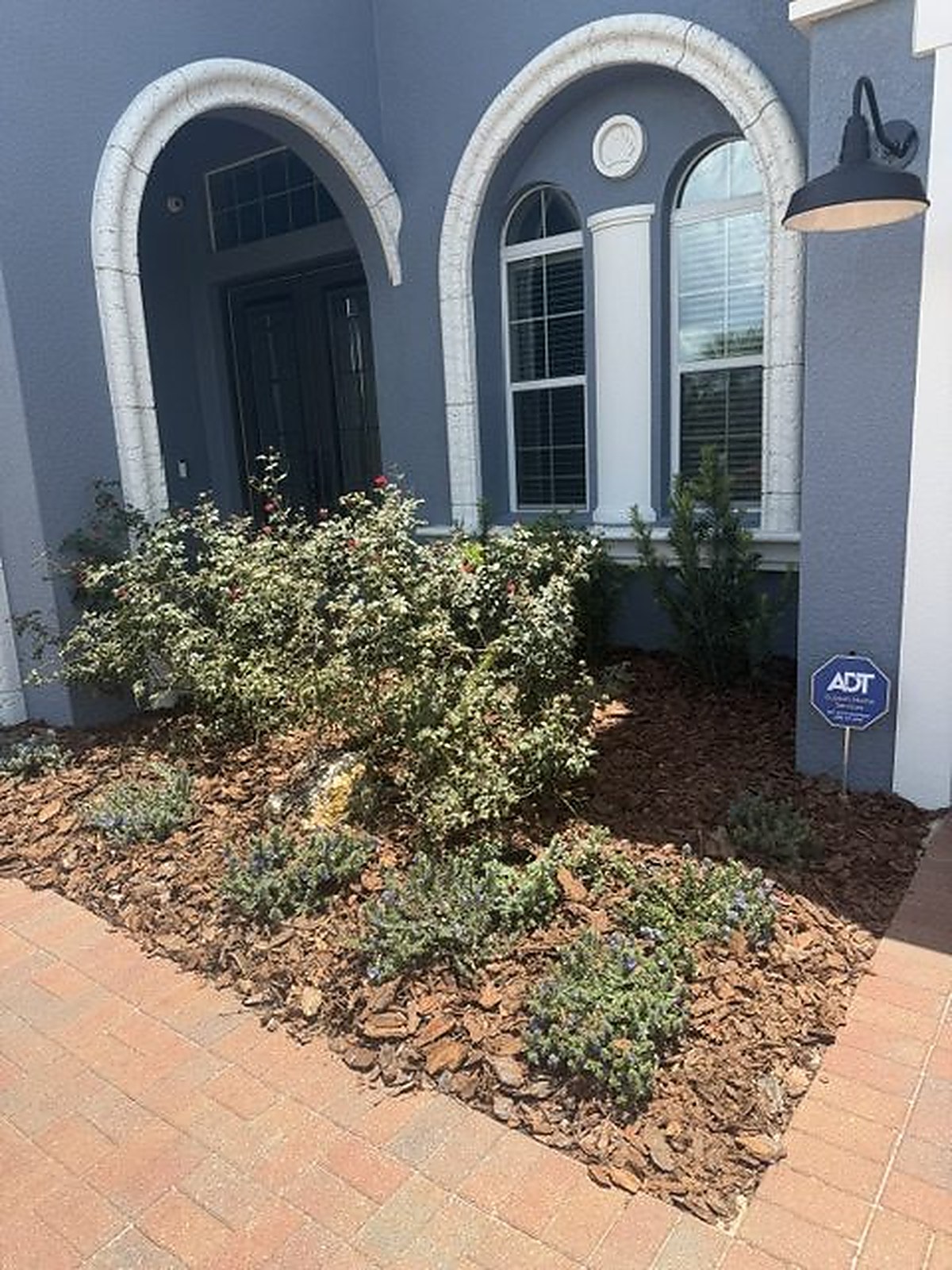
Loose material becomes projectiles. Heavy river rock beds near screen enclosures and windows are a liability; mulch and low planting are not.
After a storm, get standing water off root zones fast and re-stake anything leaning within the first week. Wait longer and the root plate sets crooked.
Keep reading
Can You Get a Paver Patio Built Before the Holidays in Tampa?
Fall is the best window for paver work in Tampa, but the holiday calendar fills fast. What to decide early, what slows a project, and how to plan it right.
READHow Should You Adjust Your Irrigation When Tampa's Dry Season Starts?
When the rains stop, most Tampa sprinkler systems keep watering like it is July. How to scale back, what to check, and when to call in a system audit.
READYour Tampa Yard Checklist for the Dry Season
What to fix in October after the wet season, from drainage damage to washed-out beds and compacted turf.
READGot a project on your list?
Paver patios, driveways, pool decks, retaining walls, sod and landscape design across the Tampa Bay area — free written estimates.